The complete guide to porcelain veneers.

The Hudson - Complete Guide

The complete guide to porcelain veneers.

Dental veneer tourism in Vietnam, explained without the sales fog.

10 chapters~24 min readWritten for AU / US / UK patients

By Hiep Nguyen, dental tourism coordinator - last updated May 2026

Natural-looking veneer design, travel costs, material tradeoffs, failure risks, timeline, aftercare, and how to choose a clinic before you commit.

A note before you read

Veneers are cosmetic treatment first and mechanical treatment second. The quality of the smile design, bite planning, and preparation matters more than glossy before-and-after photos.

Both. But the answer is simpler than most people expect.

The porcelain and zirconia used in Vietnam often come from the same manufacturers as the materials used in Australia. Many are made in Germany, the USA, Japan, or Italy and have the same certifications. The main price difference is not the material quality. It is the operating costs.

A full smile makeover in Australia can start around $24,000 AUD. In Vietnam, similar treatment can start around $6,000 AUD.

What matters most is not the country. It is whether your teeth are suitable for treatment, whether your expectations are realistic, and whether you choose a good clinic.

If those things are in place, you are not cutting corners. You are mainly paying less for the same type of treatment.

Veneers only look fake when the wrong shade, material, or design is chosen. Those are decisions, not bad luck.

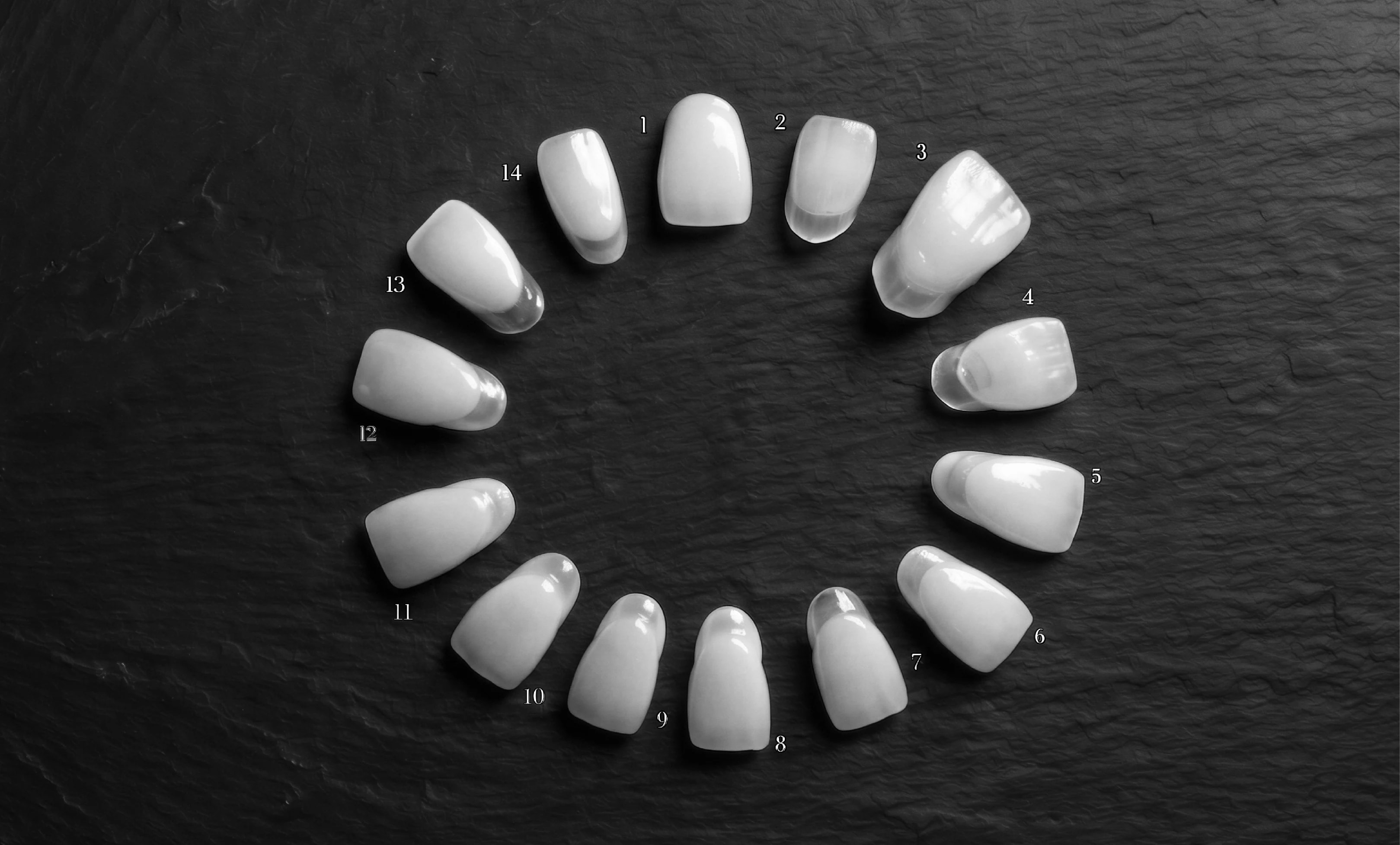
The biggest reason veneers look unnatural is that they are too white and too uniform. Real teeth are not perfectly white. They have small colour changes, slight transparency at the edges, and natural shape differences. That is why shade selection matters so much. A good dentist spends time getting this right before treatment starts.

Veneer materials at a glance
MaterialOriginWarrantyBest for
OpalZirconia (USA)8 yearsStrong bite, grinding
Emax PressPorcelain + glass (Germany)7 yearsMost natural look
SapphireZirconia (Germany)12 yearsStrength + aesthetics
PearlPremium zirconia (Germany)16 yearsBest overall, longest warranty

A good clinic should also give you a trial smile before the final veneers are placed. Temporary veneers are fitted so you can see how the result actually looks on your face and in normal lighting.

If you want changes, they can still be made before the final veneers are completed. If a clinic skips this step, you are agreeing to a result you have never properly seen first.

The goal is not perfectly fake white teeth. The goal is natural-looking teeth that suit your face and smile.

There are no 'starting from' prices here. Just clear numbers so you can compare properly.

Indicative veneer trip costs
Cost itemTypical amount
Full smile makeover in AustraliaFrom $24,000 AUD
Similar veneer treatment in VietnamFrom $6,000 AUD
Return flights Australia to Vietnam$600 to $1,200 AUD
Hotel in Hanoi for 7 to 10 days$500 to $1,000 AUD
Total travel cost$1,100 to $2,200 AUD
Typical full smile trip total$8,000 to $18,000 AUD

Even after flights and hotel, the savings are still significant. At the higher end, a full smile treatment with Pearl material can still save around $38,800 AUD compared to Australian pricing.

Veneers do not usually fail randomly. Most problems happen for clear reasons that can often be avoided.

One of the biggest causes is a bad bite fit. If the dentist does not measure your bite properly before making the veneers, pressure from chewing can hit the veneers unevenly. Over time, this can cause cracks or make a veneer come loose.

The material also matters. Emax looks very natural, but it is not the best option for someone who grinds their teeth or has a very strong bite. Poor bonding can also cause failure if the process is rushed or done badly.

Patient habits matter too. Biting hard objects, grinding teeth without a night guard, or using teeth to open packaging can all damage veneers.

A good clinic should always check your bite carefully before treatment. You can ask the clinic directly how they assess bite before placing veneers. A good clinic should be able to explain this clearly.

After treatment, avoid hard foods for the first two weeks while the bonding adhesive strengthens. If you grind your teeth at night, tell your dentist before treatment because you will likely need a night guard. Do not use your teeth as tools.

Veneer material warranty
MaterialWarranty
Emax Press7 years
Opal8 years
Sapphire12 years
Pearl16 years

Keep your warranty card. It is your proof of coverage.

Instagram photos and online reviews do not tell you whether a clinic does good veneer work. Photos are selected carefully, and reviews can be misleading.

Three things matter more. First, the clinic should always do a proper bite assessment before designing veneers. Your bite affects how pressure is placed on the veneers every day.

Second, the clinic should offer a trial smile. Temporary veneers are placed first so you can see how the result actually looks on your face before anything permanent is done.

Third, ask about the dental lab. Veneer quality depends heavily on the lab making them. Ask whether the clinic uses its own certified lab or sends the work elsewhere.

If a clinic can explain all three clearly, it is a good sign. If they avoid the questions or give vague answers, keep looking.

A small amount of enamel is usually removed before the veneers are placed. For traditional veneers, the dentist removes about 0.5 mm from the front surface of the tooth. That is very thin, but it is permanent.

Once this enamel is removed, the tooth will continue needing a veneer in the future. The tooth itself still stays healthy. The veneer bonds to the prepared surface and works like the outer layer of a natural tooth.

Some people may qualify for minimal-prep or no-prep veneers. In those cases, little or no enamel needs to be removed. Your dentist can tell you if you are suitable.

Typical veneer treatment sequence
DayWhat happens
Day 1Bite check, photos, shade and shape selection. Temporary veneers placed for preview.
Day 2 to 3Once you approve the look, teeth are prepared and impressions sent to the lab.
Day 4 to 5Final veneers return from the lab. Each veneer is bonded, checked for fit and bite, and polished.

The full process usually takes around 5 to 7 days.

Most people need less time off than they expect. Veneers are not surgery, so there is usually no major recovery period. A typical trip lasts about 7 to 8 days.

Typical veneer trip timeline
DayWhat happens
Day 1Arrive and rest.
Day 2Consultation, bite check, shade selection, trial smile. Temporary veneers placed.
Day 3 to 4Teeth prepared. Impressions sent to the lab.
Day 5 to 6Final veneers arrive. Bonded, bite checked, polished.
Day 7 to 8Fly home.

Most people return to work the next day after getting home. There is usually no swelling, bruising, or obvious sign that dental work was done.

Some people have mild tooth sensitivity for a few days after the teeth are prepared, especially with cold food or drinks. This normally settles on its own within 3 to 5 days.

Veneers do not require major lifestyle changes. You just need a few good habits.

  • For the first two weeks, avoid hard foods like crusty bread, raw carrots, and hard nuts while the bonding adhesive fully strengthens.
  • Long term, hard foods are still the biggest risk. Cut hard foods into smaller pieces first.
  • Do not use your teeth to open packaging or bite nails.
  • If you grind your teeth at night, wear your night guard every night.
  • Brush twice a day with a soft toothbrush and use non-abrasive toothpaste.
  • Floss every day because veneers only cover the front of the teeth. The rest of the tooth is still natural and still needs proper cleaning.

Most veneers settle without problems. But if something feels wrong after you get home, you do not have to deal with it alone.

Most early issues are minor. A veneer may feel slightly high when you bite down. You might also have some sensitivity to cold for longer than expected, or notice a small rough edge against your tongue. These are usually adjustment issues, not failures.

Serious problems like a chip, crack, or loose veneer are uncommon when the bite is planned properly and the right material is chosen.

If something feels off, contact The Hudson first. Send a photo if possible and explain what you are feeling and when it started. The team will review it, speak with the clinic if needed, and explain the next step clearly.

If you need an in-person check, The Hudson can refer you to a trusted clinic in your city. Bring your warranty card and ask for an assessment before agreeing to treatment.

Veneer material warranty
MaterialWarranty
Emax Press7 years
Opal8 years
Sapphire12 years
Pearl16 years

The payment process is straightforward. You pay a 10 percent deposit to confirm your booking via a secure Stripe card payment link, and you receive a receipt immediately. The remaining 90 percent is paid at the clinic on the day of your treatment.

Before any payment, The Hudson provides all payment details in writing, including the company name, bank details, and account information. They also send a short video confirming the payment details. If anything looks unusual, contact them before sending money.

For international transfers, Wise is usually the cheapest option. It uses the real exchange rate and usually has lower fees than normal bank transfers. On a $10,000 payment, Wise can often save around $200 to $300 AUD in fees and exchange costs.

If you want to pay over time

  • Splitit: monthly instalments using your existing credit card. No new loan, no interest.
  • Humm / Zip Money: for larger treatment plans.
  • TLC Finance / Latitude Financial: longer repayment terms for full smile cases.

In total, a full smile treatment in Vietnam including flights, hotel, and dental work usually costs around $8,000 to $18,000 AUD. The same treatment in Australia can cost around $24,000 to $56,000 AUD. Even after travel costs, the savings can still be significant.